
Georgia Institute of Technology
Oyakhire Lab
Grand challenges in energy storage, environmental stewardship, and environmental remediation require innovations in coupled ion-electron transfer at electrified interfaces.
Scroll
Grand challenges in energy storage, environmental stewardship, and environmental remediation require innovations in coupled ion-electron transfer at electrified interfaces.
4
Research Areas
2025
Lab Founded
The Oyakhire Lab studies and controls ion and electron transfer at solid-liquid interfaces in electrochemical systems. These interfacial charge-transfer processes determine the macroscopic performance of batteries, electrocatalytic cells, and related technologies. Using insights from charge transfer measurements, we design next-generation energy storage and conversion devices.
Hypothesis-informed materials such as thin films and small molecules using tunable methods.
Ion- and electron-transfer mechanisms to determine how these materials influence device properties such as efficiency.
Material design recursively using the resulting mechanistic insights to optimize performance.
08/06/2026
Dr. Todd Whittaker joins the lab as its first postdoctoral researcher. Welcome, Todd!
02/27/2026
The lab receives an ACS Sustainable Futures Early Career Postdoctoral-Faculty Bridge Grant!
01/13/2026
Luke and Gene pass their PhD qualifying exams. Congratulations!!
01/12/2026
The lab welcomes its first cohort of undergraduate researchers: Cory Austin, Owen Carroll, Charlotte Cooper, Caroline Perkins, and Mahika Rao!
12/01/2025
The lab receives a Schmidt Science Fellows Catalyst Grant!
10/01/2025
Dr. Oyakhire is thrilled to welcome his first set of PhD students, Gene Koifman and Luke Cravey.
08/01/2025
Dr. Oyakhire starts the lab at Georgia Tech.
We study and control charge transfer at solid-liquid interfaces to advance batteries, electrocatalysis, and electrochemical separations.

During charging, lithium- and sodium-metal batteries undergo electrically driven metal deposition and growth. Despite the central role of electrodeposition in battery performance and safety, it remains poorly understood. Using well-defined thin-film substrates, we elucidate key steps in metal growth within batteries, with the goal of enabling long-lasting, stable batteries.

Recycling minerals from waste is essential for environmental stewardship and equitable resource distribution. Conventional approaches such as chemical leaching, hydrometallurgy, and pyrometallurgy are limited in selectivity and efficiency. We exploit precise control over electron transfer and the tunability of electrochemical free energy to recover valuable resources from complex waste mixtures.

The electric double layer (EDL), the solid electrolyte interphase (SEI), and the cathode–electrolyte interphase (CEI) mediate dynamic charge-transfer processes in batteries and electrocatalytic devices. Yet these inter(phases)faces have historically been measured using ex-situ, post-mortem techniques. We develop operando spectroscopy and acoustic sensing methods to provide real-time insights into inter(phase)face evolution, and guide the design of passivation layers that enhance battery cycle life.

In liquid cells, ion transport and electrode passivation are governed by the properties of small molecules. The vast design space of small molecules necessitates artificial-intelligence tools to identify optimal electrolytes. We develop Hypothesis-Informed, Physics-coupled Artificial Intelligence (HIP-AI) to design new molecules for batteries and resource-recovery cells. HIP-AI enables (i) discovery of new molecules through filtering and generative capabilities; (ii) interpretability via physics-coupled algorithms; and (iii) experimentally actionable outputs by linking experimental design parameters to HIP-AI features.
* denotes co-first authors · = first / co-first author
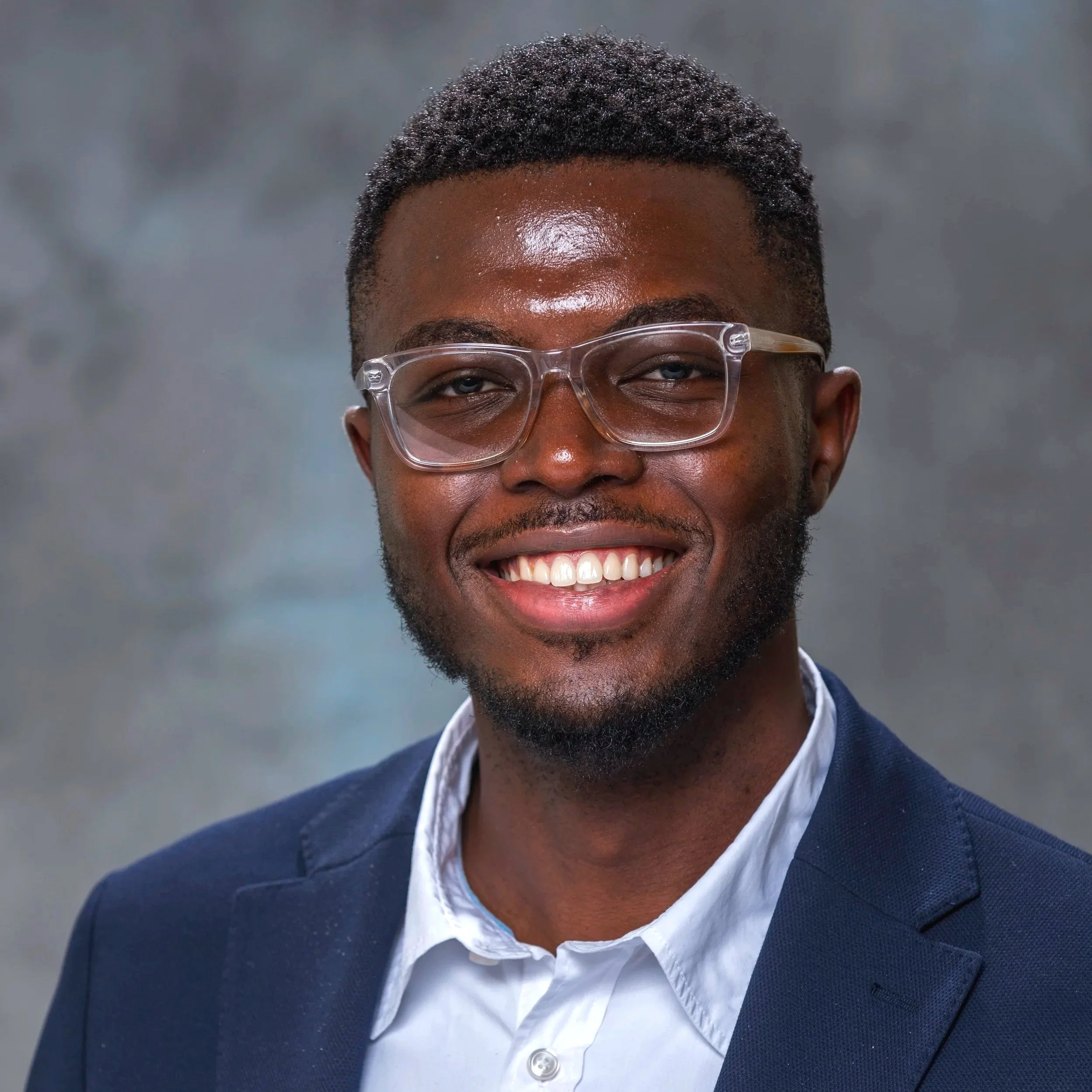
Principal Investigator
Solomon Oyakhire is an Assistant Professor of Chemical and Biomolecular Engineering at Georgia Tech. He earned his BSc in Chemical Engineering from the University of Lagos, Nigeria, graduating with the highest honors and recognized as the department's best graduating student.
He completed his PhD in Chemical Engineering at Stanford University working on interfacial electrochemistry with Stacey Bent and Yi Cui as a Knight-Hennessy scholar. During his postdoctoral training at the University of California Berkeley, he developed artificial intelligence algorithms for high dimensional datasets with Kristin Persson and Gerbrand Ceder as a Schmidt Science Fellow.

Postdoctoral Researcher
PhD Institution
University of Colorado Boulder
Primary Advisor
Prof. AJ Medford
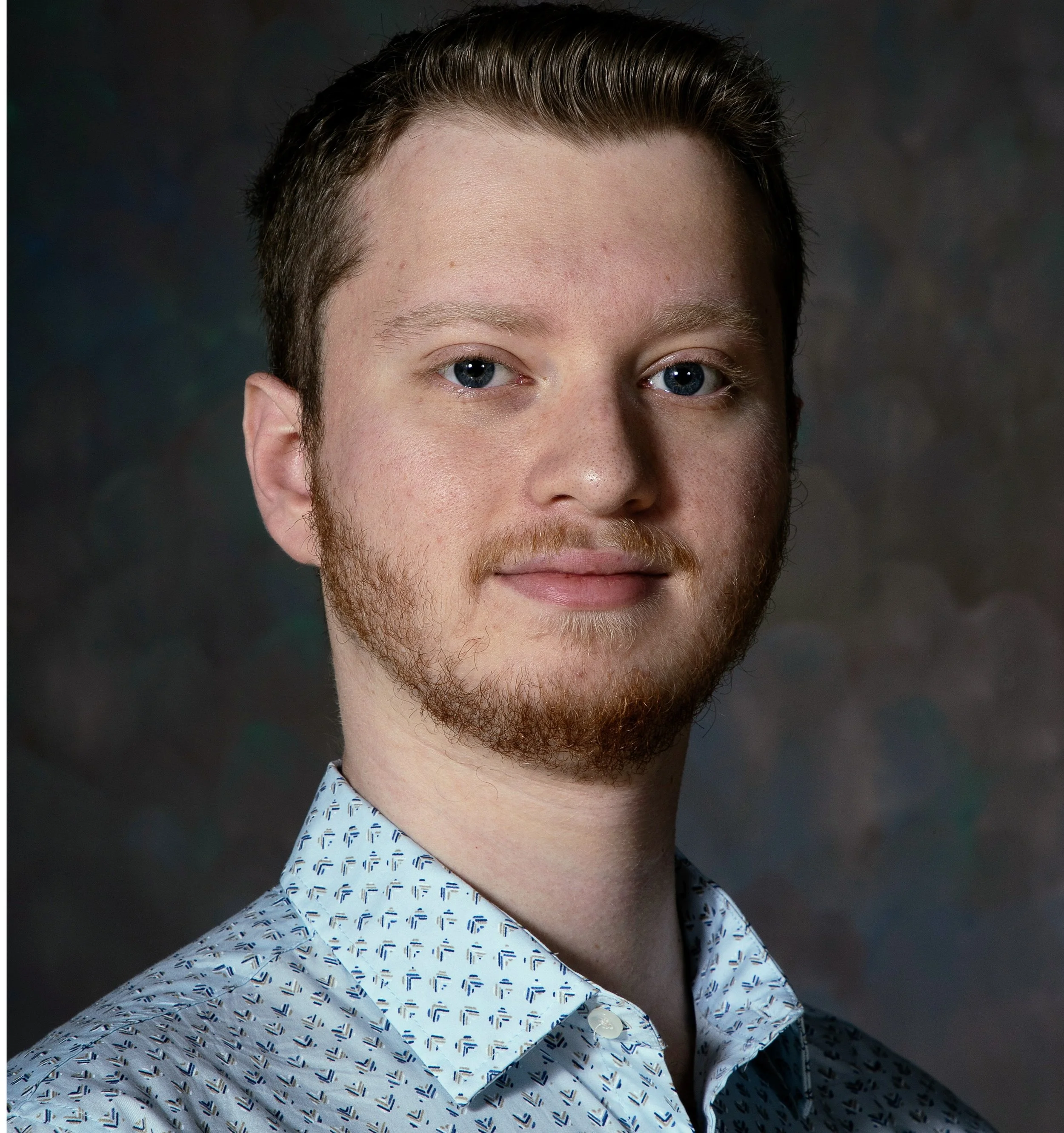
PhD Student
Undergrad Institution
Florida Institute of Technology
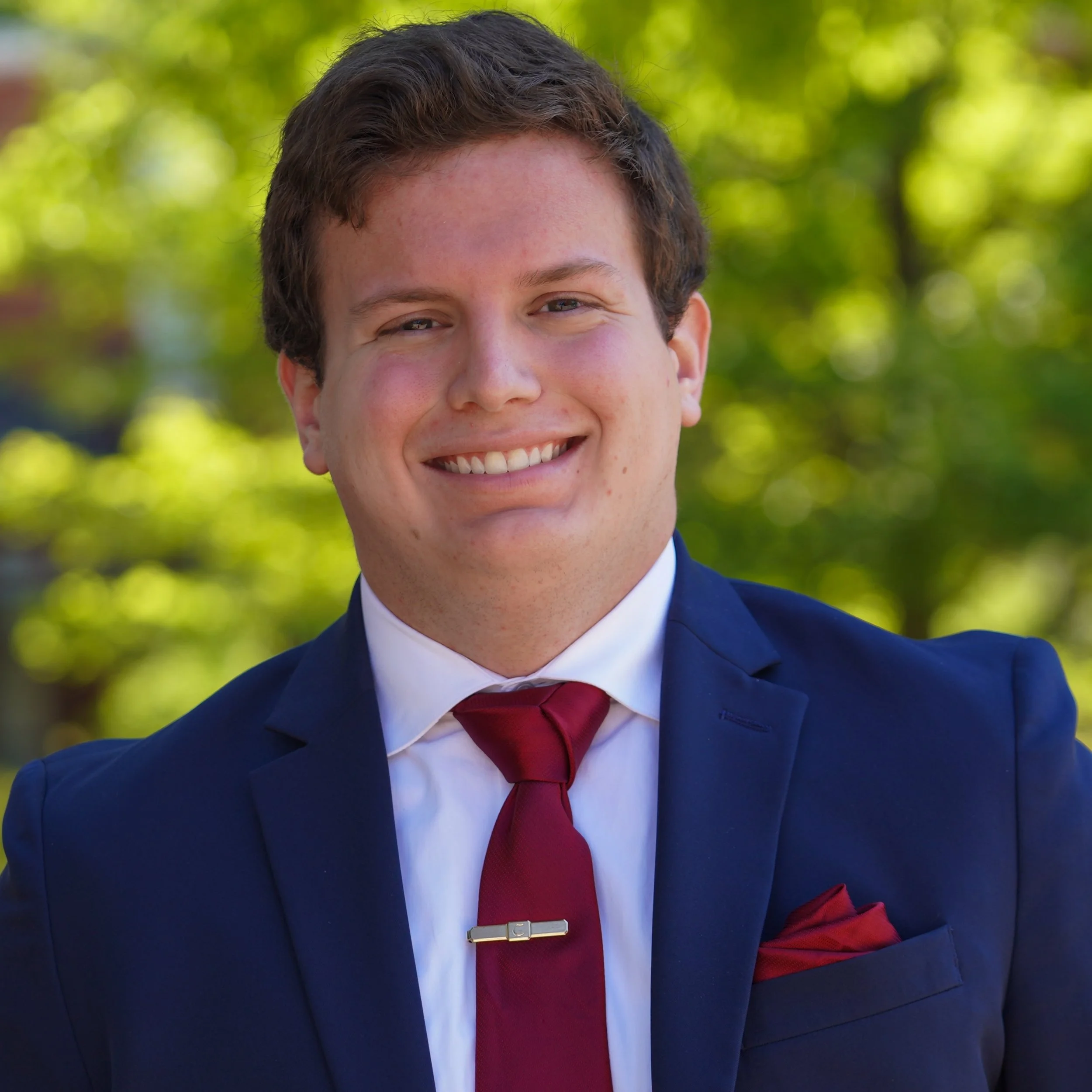
PhD Student
Undergrad Institution
Auburn University

Undergraduate Researcher
Major
Chemical & Biomolecular Engineering

Undergraduate Researcher
Major
Chemical & Biomolecular Engineering

Undergraduate Researcher
Major
Chemical & Biomolecular Engineering

Undergraduate Researcher
Major
Chemical & Biomolecular Engineering

Undergraduate Researcher
Major
Chemical & Biomolecular Engineering
We are actively recruiting PhD students and postdocs. Our group thrives on interdisciplinarity, so we welcome applicants from a wide range of scientific backgrounds.
Contact Us to ApplyOur Research is Supported by


